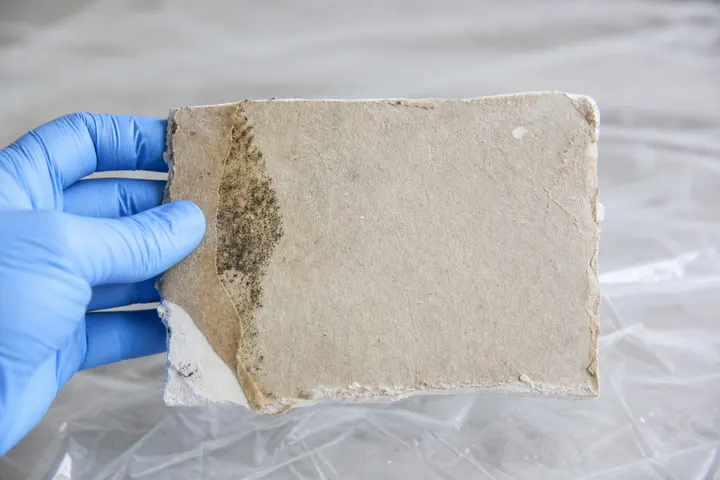
Mold is the part of water damage that worries people most, and for good reason but the timeline is more specific than most people realize, and that specificity matters for what you should actually do.
How fast does mold actually start?
Under favorable conditions meaning a damp surface at a moderate temperature mold spores can begin germinating within 24 to 48 hours. This isn't a worst-case estimate; it's the general window cited across restoration and remediation industry guidance, which is part of why the first two days after water damage matter so much.
What does mold actually need to grow?
- Moisture the obvious one, but it doesn't take a flood. Persistent dampness from a slow leak is enough.
- A food source drywall paper, wood, insulation backing, and dust all qualify. Mold doesn't need much.
- Moderate temperature most household mold grows comfortably at normal indoor temperatures, so there's no cold-weather protection indoors.
- Time this is the variable you have the most control over.
Why does the 24-to-48-hour window matter so much?
It's the difference between a drying job and a remediation job. If materials are extracted and drying begins within that window, the goal is simply removing moisture before mold has a chance to establish. Once mold has started, the job changes it now involves identifying contaminated material, often removing and replacing it, and treating the area to prevent regrowth. That's a more involved and more expensive process than drying alone.
This is exactly why "wait and see if it dries on its own" is the riskiest response to water damage. By the time it's visibly dry on the surface, the 24-to-48-hour mold window has often already passed for anything that stayed wet underneath.
What are early signs mold may already be present?
- A musty, earthy smell that wasn't there before
- Small dark spots on drywall, especially near where water damage occurred
- A fuzzy or discolored patch on any material that stayed wet
- Worsening allergy-like symptoms when in a specific room or area
How is mold growth actually prevented after water damage?
The most effective prevention is straightforward: extract standing water quickly, dry the structure thoroughly and confirm it with moisture readings (not a visual check), and apply antimicrobial treatment to materials that were exposed. This sequence fast extraction, verified drying, treatment is the entire strategy, and skipping any step increases risk.
What if I think mold has already started?
Don't disturb it by scrubbing or attempting to clean it yourself, especially over a large area this can release spores into the air and spread the problem rather than contain it. A professional assessment can determine the extent and the right remediation approach.
Related Idaho Falls service
The best mold prevention is verified drying. See our structural drying in Idaho Falls page for drying, dehumidification, and moisture-check guidance.
Worried mold has already started?
Local providers typically include antimicrobial treatment as part of every water damage job not as an upsell after the fact.
Call (208) 502-6969