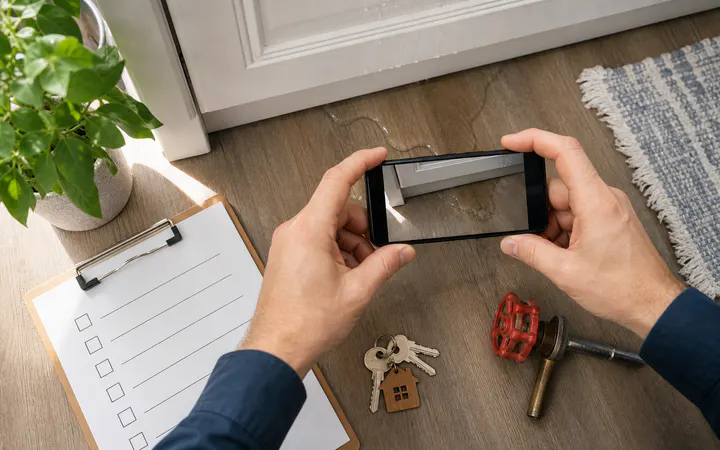
Insurance coverage for water damage isn't a yes-or-no answer it depends heavily on what caused the water and how suddenly it happened. Here's how it generally breaks down.
What's typically covered?
Standard homeowner's policies generally cover water damage that's sudden and accidental, meaning it wasn't something you could have reasonably prevented or should have caught earlier. Common covered scenarios include:
- A pipe that bursts due to freezing or sudden failure
- A washing machine or dishwasher supply line failure
- A water heater that suddenly ruptures
- Ice dam backup causing a roof leak
What's usually excluded?
This is where people get caught off guard. Most policies exclude:
- Gradual leaks a slow drip behind a wall that went unnoticed for weeks or months is often treated as a maintenance issue, not a covered loss.
- Ground-water flooding water entering from outside the home due to heavy rain, snowmelt, or rising water tables typically requires separate flood insurance, which standard homeowner's policies don't include.
- Sump pump failure in many cases, unless you've added a specific endorsement for it.
"Sudden and accidental" is the phrase that matters most. If an adjuster determines the damage built up gradually over time, even from a real plumbing issue, coverage can be denied on that basis alone.
Why does this distinction exist?
Insurers separate sudden damage from gradual damage because gradual damage is considered preventable through routine home maintenance. A burst pipe is unpredictable. A slow leak that was never inspected or repaired is treated differently, even though the end result wet drywall can look identical.
What about Idaho Falls specifically?
Idaho Falls sees real freeze-thaw cycles every winter, which is a common cause of pipe bursts and ice dam backups both of which are typically covered as sudden events. Spring snowmelt, on the other hand, raises ground-water risk for homes with below-grade basements, which often falls into flood insurance territory rather than standard coverage.
What should I do to protect my claim?
- Document the damage with photos and video before any cleanup begins.
- Call your insurer and a restoration company as close to the same time as possible.
- Keep records of when the damage was first noticed and what caused it, to the best of your knowledge.
- Avoid speculating about the cause in writing to your insurer let the inspection findings speak for that.
This isn't a substitute for reading your specific policy. A local restoration provider can document the loss thoroughly and may be able to work directly with your adjuster to support your claim.
Dealing with water damage and not sure about coverage?
A local provider can document the job thoroughly and may be able to work directly with your insurance adjuster.
Call (208) 502-6969